Choosing a Dentist in Carluke: What to Look for in a Local Dental Practice
Choosing a Dentist in Carluke: What to Look for in a Local Dental Practice
Choosing a dentist is an important decision. Whether you have recently moved to the area, are looking for a new dental practice or simply feel it is time for a change, finding the right dentist in Carluke can make a real difference to your experience.
At Tooth Doctor, we believe dental care should be about more than simply treating problems when they arise. It is about building a relationship with your dental team, feeling comfortable asking questions and having confidence in the care you receive.
So, what should you look for when choosing a dentist in Carluke?
Find a dental team you feel comfortable with
One of the first things to consider is the dental team themselves. You want to feel that you are in safe, friendly and experienced hands whenever you visit.
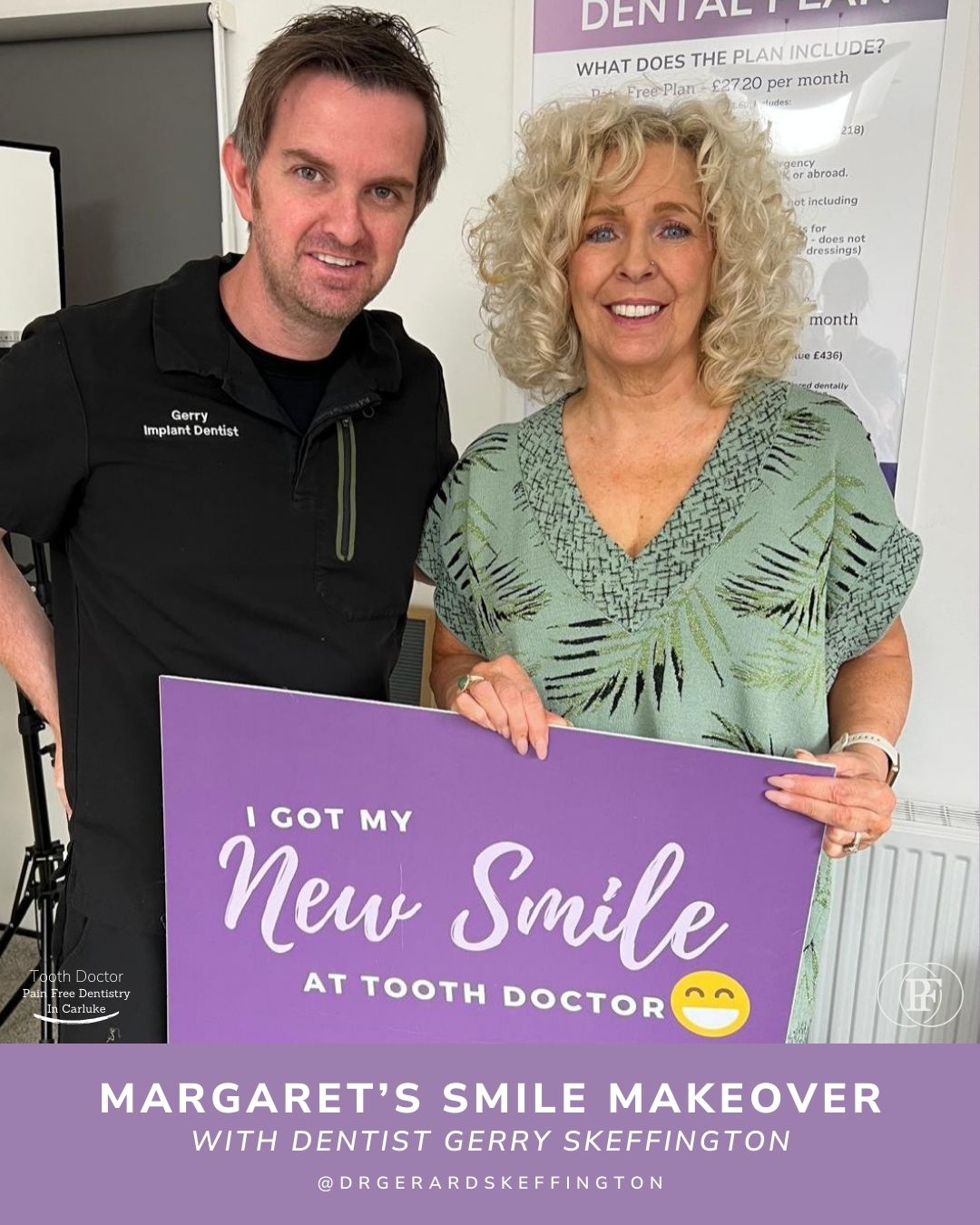
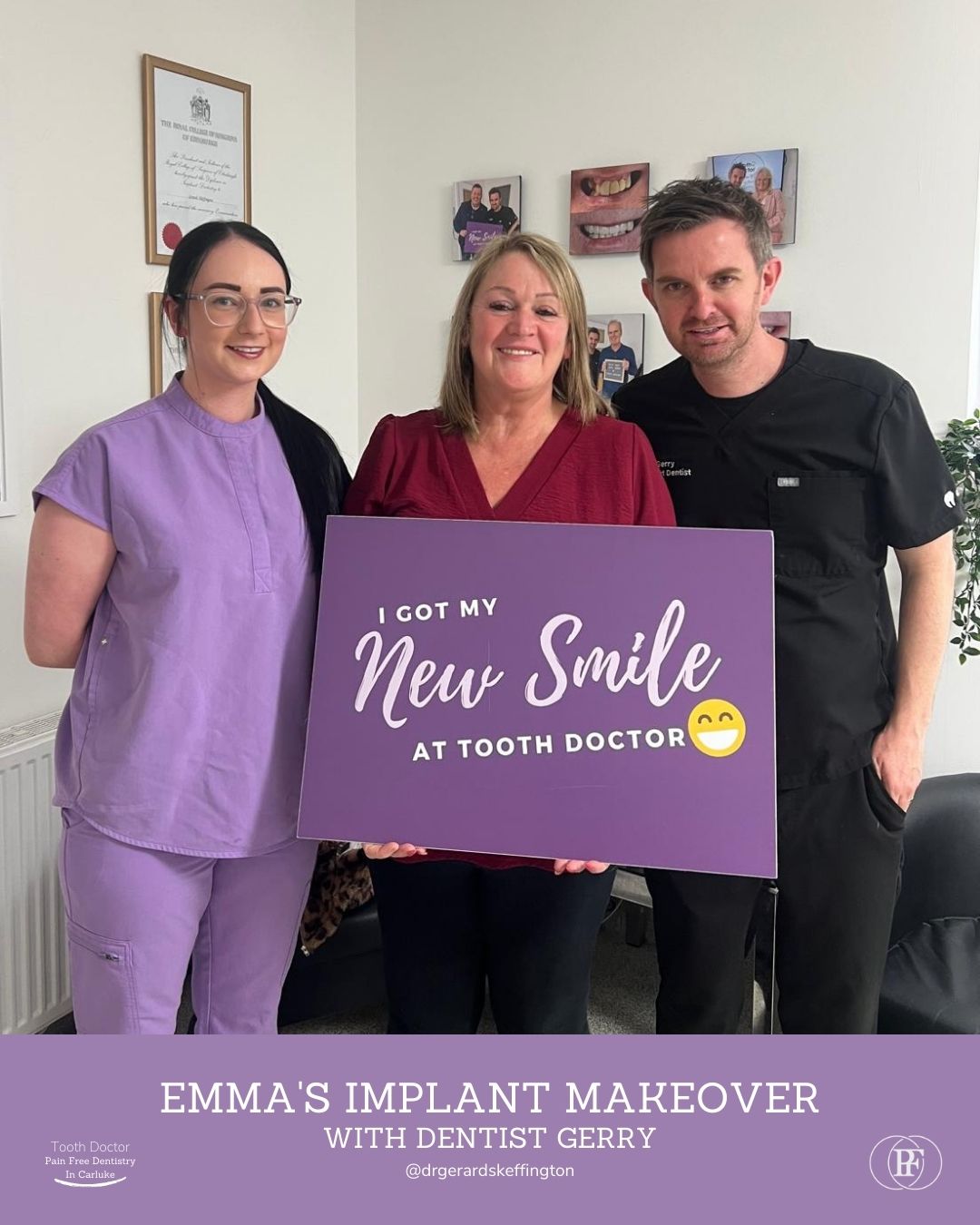
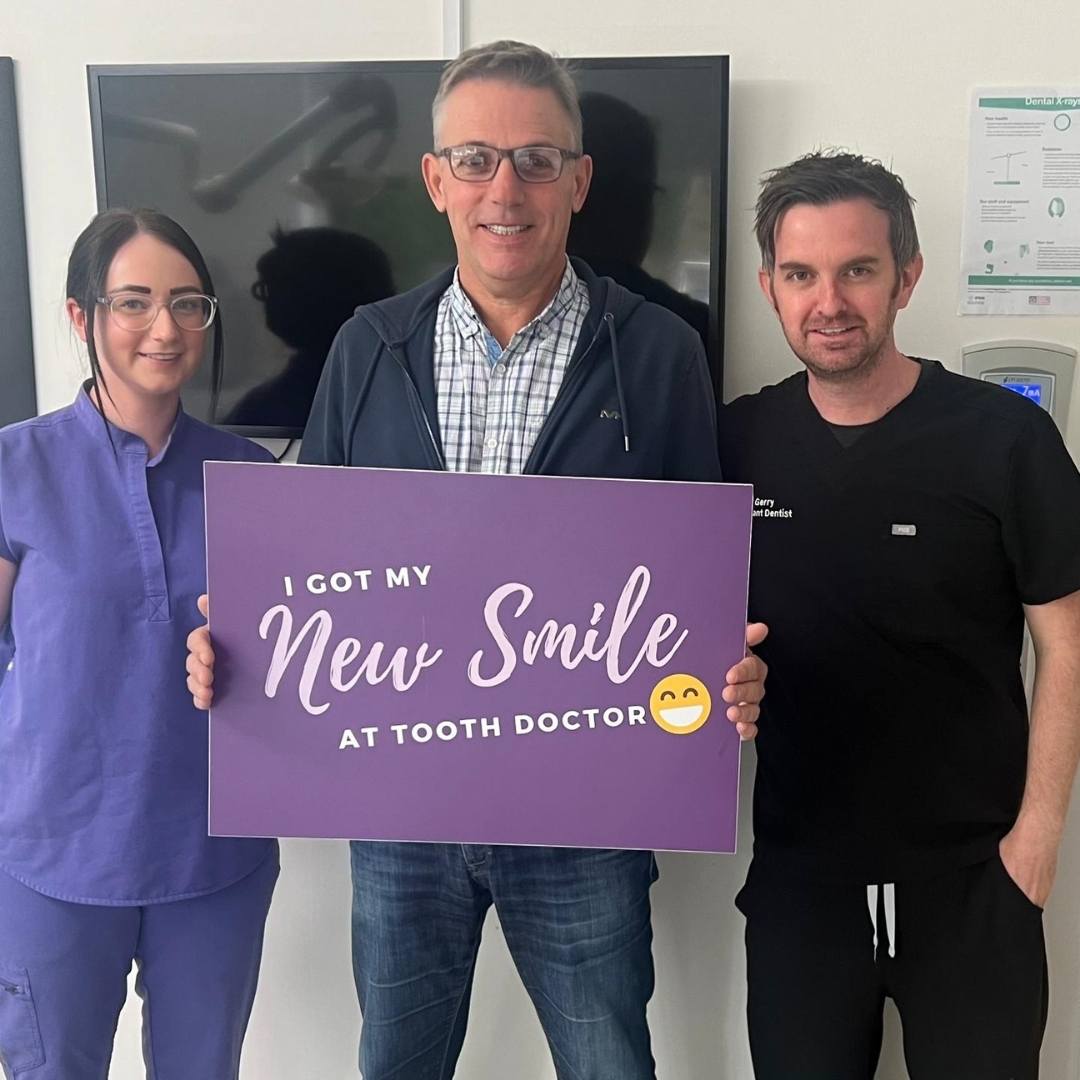
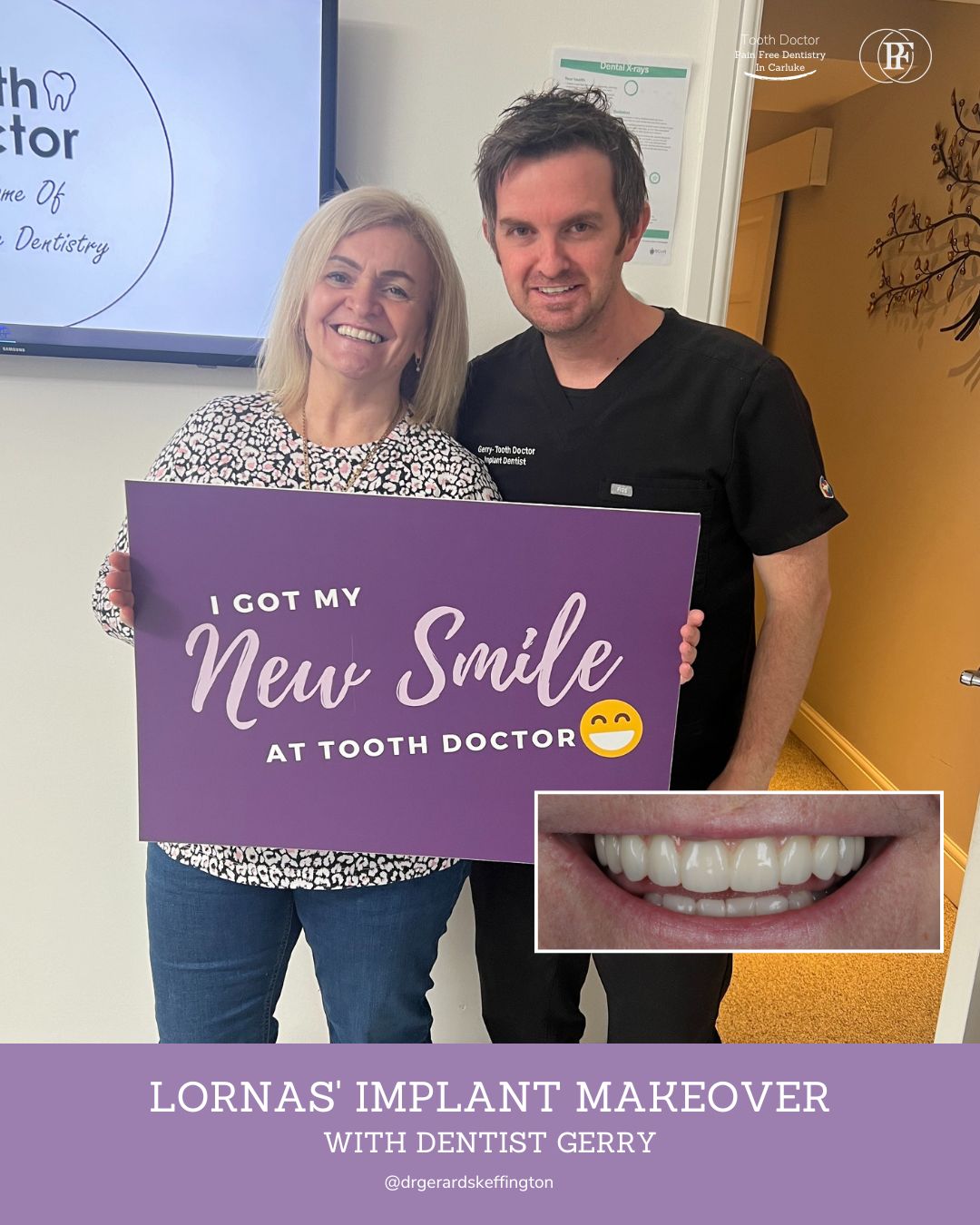
At Tooth Doctor, our team includes Gerard Skeffington, Jane Napier and Sofia Shajahan, all of whom are GDC-registered dentists. You can learn more about our dentists and their professional backgrounds on our Meet the team page. We also have a wider clinical and support team who work together to make your visits as comfortable and straightforward as possible.
If you are considering a particular type of treatment, it is always worth asking who will be carrying out the treatment and what experience they have in that area. Your dentist should be happy to talk you through your options and answer any questions you may have.
Check professional registration and experience
When choosing a dentist in Carluke, it is perfectly reasonable to want to know about their qualifications and professional registration.
Dentists in the UK are registered with the General Dental Council (GDC), providing patients with a straightforward way to check that their dentist is registered to practise.
Our dentists’ GDC registration details are available on our website, along with information about their backgrounds and experience. For example, Gerard Skeffington graduated from Dundee Dental School and has also completed a Diploma in Dental Implants from the Royal College of Surgeons in Edinburgh.
While qualifications are important, we also believe that experience, communication and the way you are looked after are equally important when choosing a dental practice.
Look for clear and friendly communication
Good communication is an important part of good dental care.
We know that dental terminology can sometimes be confusing, particularly when you have been told that you need treatment. You should feel comfortable asking your dentist to explain what they have found, why treatment is recommended and what your options are.
At Tooth Doctor, we take the time to explain things clearly and answer your questions. We want you to understand your treatment rather than feel rushed into making a decision.
If you are unsure about something, ask. Whether it is a question about a diagnosis, treatment options or costs, your dentist should be happy to explain it. Our patient information section also provides useful information to help you understand what to expect from your dental care.
If you are nervous, choose a practice that understands
For some people, visiting the dentist can be a source of real anxiety. If you are nervous about dental treatment, finding a practice that understands your concerns can make your experience much easier.
At Tooth Doctor, we welcome nervous patients and provide dedicated information and support for people who find dental visits difficult. You can learn more about our approach to dentistry for nervous patients. We can discuss your concerns with you before treatment and explain the different ways we can help you feel more comfortable.
If you are anxious about visiting a dentist in Carluke, let us know when you book your appointment. There is no need to feel embarrassed about being nervous. Talking about your concerns allows us to understand what you need and make your visit as comfortable as possible.
Consider the range of dental treatments available
It can also be useful to consider whether a dental practice offers the treatments you are likely to need, both now and in the future.
At Tooth Doctor, we provide general dentistry alongside a wide range of other dental services. These include dental hygiene, emergency dental care, cosmetic dentistry, orthodontic treatment, dental implants and care for nervous patients.
Of course, you should not choose a dentist simply because they offer a long list of treatments. The most important thing is that the practice can provide appropriate care for your individual needs.
For many patients, having access to a range of treatments in one practice can make ongoing dental care more convenient.
Take a look at patient reviews
Reviews can be helpful when you are comparing dental practices.
They can give you an idea of how other patients have found their experience, including aspects such as communication, friendliness, appointment times and how comfortable they felt during treatment.
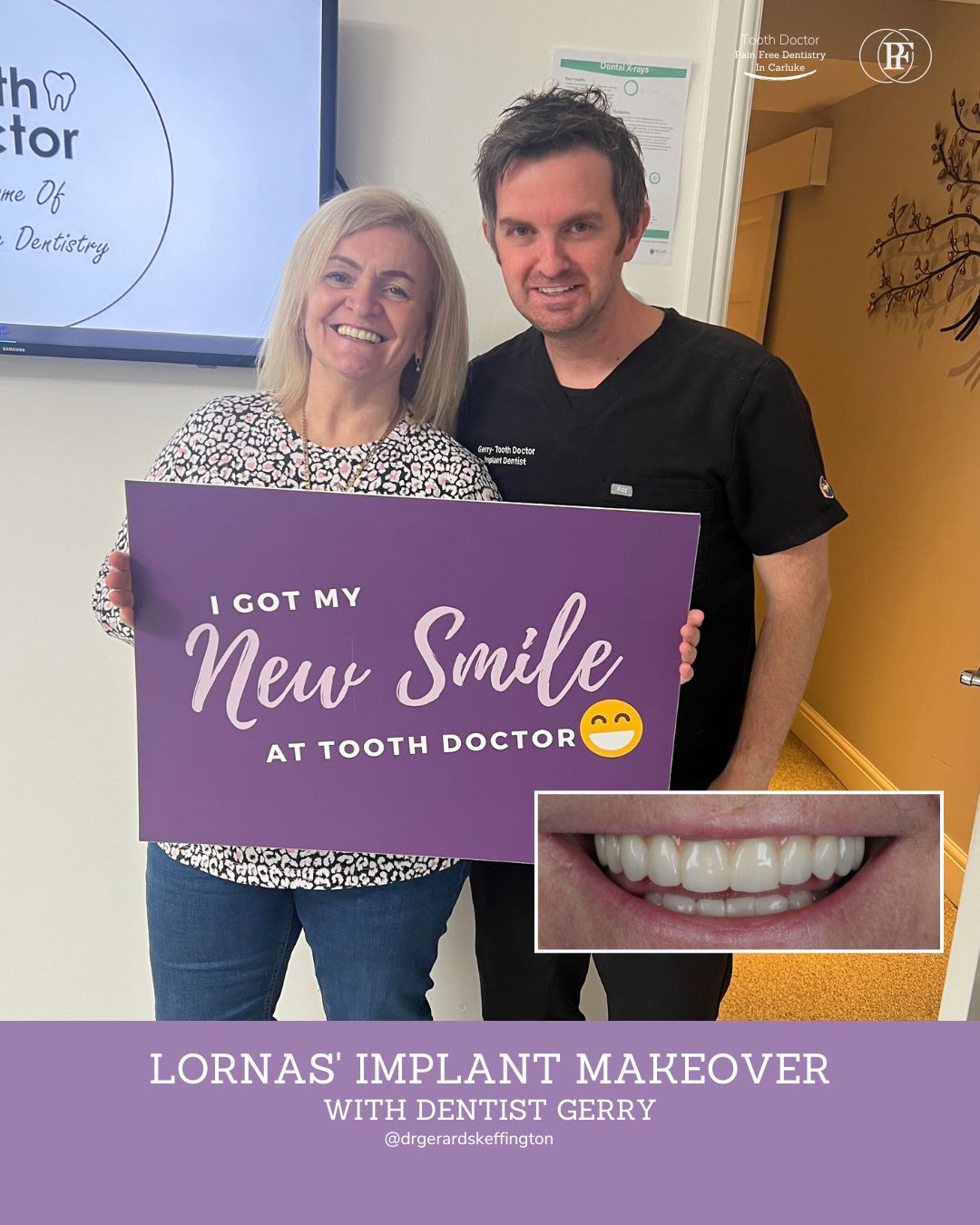
Tooth Doctor currently has a strong collection of patient reviews, with many patients commenting on our friendly team, clear explanations and reassuring approach. You can read more about our online reviews when comparing your options.
Of course, every patient’s experience is different, so reviews should not be the only thing you consider. We recommend looking at a range of recent reviews and thinking about what matters most to you when choosing a dentist.
Think about appointment times and location
Practical considerations matter too.
If you are looking for a private dentist in Carluke, consider how easy it is to get to the practice and whether the available appointment times fit around your work, family and other commitments.
Tooth Doctor is located at 79 Kirkton Street, Carluke, Lanarkshire, ML8 4AD.
Our current opening hours are Monday to Thursday from 8am to 8pm and Friday from 9am to 4pm. These extended weekday hours can make it easier to fit dental appointments around a busy schedule.
Opening hours may change, so we recommend checking with us when arranging your appointment. You can also visit our contact page for information about contacting the practice and arranging an appointment.
Make sure you understand the costs
If you are considering private dental care, it is important to understand the cost of any treatment before deciding to go ahead.
Do not be afraid to ask questions about fees. You should know what is included in your proposed treatment, whether there are alternative options and whether further appointments may involve additional costs.
At Tooth Doctor, we explain treatment costs before treatment begins and can discuss the payment options available.
We want you to have a clear understanding of your treatment and the associated costs, so you can make a decision that is right for you.
Think about long-term dental care
Your relationship with your dentist does not have to be limited to the occasional appointment when something goes wrong.
Regular check-ups and preventive dental care can help you look after your teeth and gums and identify potential problems at an early stage. Our general dentistry services are designed to support your ongoing oral health.
When choosing a dentist in Carluke, think about whether you can see yourself returning to the practice regularly. Feeling comfortable with your dentist and dental team can make it much easier to maintain your oral health over the long term.
At Tooth Doctor, we aim to build lasting relationships with our patients and provide care that is tailored to their individual needs.
Choosing the right dentist in Carluke for you
There is no single answer to what makes the perfect dentist. The right choice will depend on your own circumstances, priorities and what you want from your dental care.
When comparing dentists in Carluke, consider:
-
Who will be providing your dental care
-
Professional registration and experience
-
How clearly the team communicates
-
Whether the practice supports nervous patients
-
The range of treatments available
-
Recent patient reviews
-
Location and appointment times
-
How treatment costs are explained
-
Whether you feel comfortable returning to the practice for ongoing care
At Tooth Doctor, we are proud to provide private dental care in Carluke, with a focus on patient comfort, clear communication and personalised treatment.
If you are looking for a dentist in Carluke and would like to find out more about Tooth Doctor, our team will be happy to answer your questions and discuss your dental needs.
Tooth Doctor
79 Kirkton Street
Carluke
Lanarkshire
ML8 4AD
Telephone: 01555 807542
Frequently Asked Questions
How do I choose a dentist in Carluke?
Look for a dental practice with a professional and experienced team, clear communication, suitable treatment options and an approach that makes you feel comfortable. Reviews, appointment times, location and fees are also worth considering.
What should I ask my dentist before agreeing to treatment?
Ask your dentist to explain what they have found, why treatment is recommended, what alternatives are available, what the treatment involves and what it will cost. You should feel comfortable asking questions before making a decision.
Is Tooth Doctor a private dentist in Carluke?
Yes. Tooth Doctor is a private dental practice based in Carluke, providing general dentistry and a range of other dental treatments.
Does Tooth Doctor treat nervous patients?
Yes. We welcome nervous patients and provide information and support to help make dental visits more comfortable. If you are anxious about dental treatment, let our team know when you contact us so we can discuss how we can help. You can also find more information about our approach to nervous patients.
Where is Tooth Doctor located?
Tooth Doctor is located at 79 Kirkton Street, Carluke, Lanarkshire, ML8 4AD.
How can I contact Tooth Doctor?
You can contact our team by calling 01555 807542 or through the contact options on our website. We will be happy to discuss your requirements and help you arrange an appointment.